
Dental Bridge Spruce Grove
Helping Fill the Gaps in Your Smile
If you are missing between one and three teeth in a row, we may recommend either an implant bridge or traditional dental bridge to rebuild your smile. This restoration can dramatically improve your ability to do basic daily tasks like eat and speak, allowing dental bridges in Spruce Grove to have a life-changing impact on patients suffering from tooth loss. To learn more about this service and whether it’s right for you, continue reading below or call our office to schedule a consultation.
Why Choose Spruce Ridge Dental for Dental Bridges?
- Precise & Putty-Free Digital Impressions
- High-Quality & Natural-Looking Dental Materials
- Compassionate Dentists & Family-Owned Practice
What Are Dental Bridges?
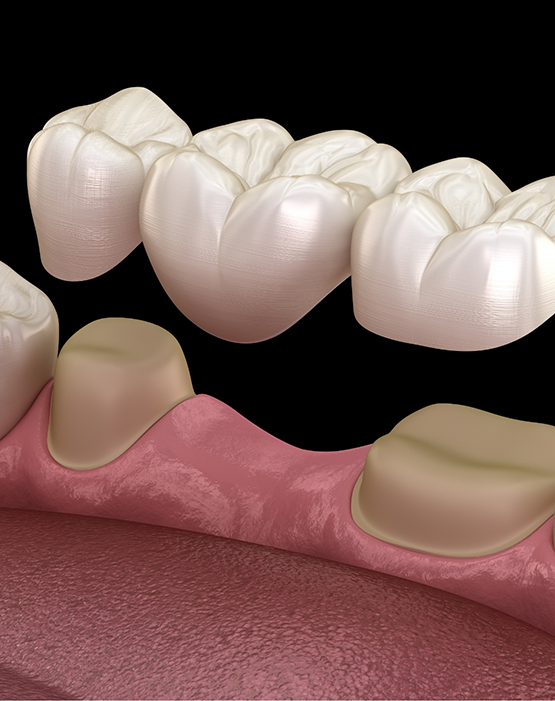
Dental bridges can be used to replace one or multiple missing teeth, helping maintain your dental alignment and alleviate stress on your jaw joints due to an imbalanced bite. On either side of the bridge are anchoring dental crowns that are secured to your existing teeth. Once cemented, they will hold free-standing replacement teeth within your mouth that complete your arch.
How Are Dental Bridges Made?
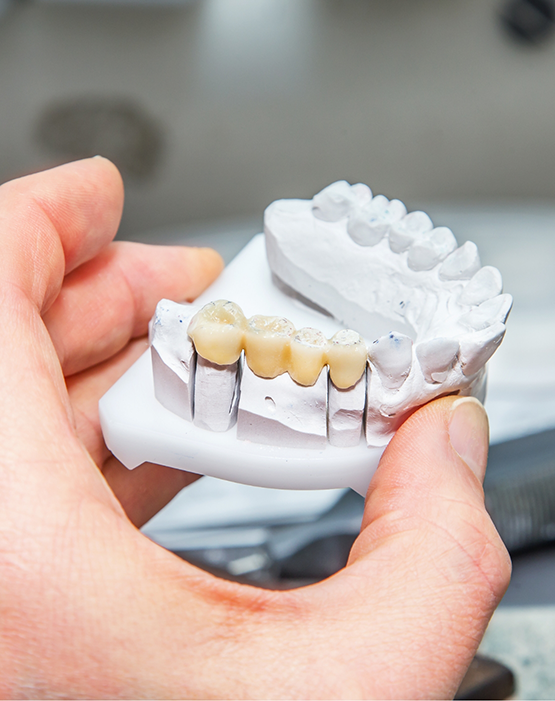
Typically, receiving a dental bridge takes about two appointments, possibly three if adjustments need to be made. First, your supporting teeth will be prepared so the anchoring crowns can be attached to them. Then, our team can capture an impression that we will send to our dental laboratory to craft your restoration. In the meantime, we’ll place a temporary bridge to protect your prepared teeth and allow you to get a feel for what your new restoration will look like.
Once our team receives your final custom made dental bridge from the lab, we'll make sure the shade and fit are excellent before cementing it to your teeth. Finally, we’ll fine-tune your bite to ensure optimal chewing ability and comfort.
Taking Care of Your Dental Bridge
After your bridge is placed, you’ll want to develop a good at-home dental hygiene routine to extend its lifespan. Be sure to brush twice a day for two minutes using fluoride toothpaste and a soft-bristled toothbrush. You’ll also want to floss beneath your restoration and make sure no plaque or bacteria accumulate on or around the anchoring teeth at least once a day. Finally, remember to schedule routine checkups and cleanings with your dentist.